Blog
Jadeite vs. Nephrite Jade: What Is The Real Difference And Why It Matters For Your Jewelry Collection
If you have browsed gemstone jewelry online, you have certainly seen the single short word “jade” used for many different kinds of stone. For most western shoppers, the word jade is treated as one uniform material. In reality, there are two completely distinct mineral varieties that get called “jade”: jadeite and nephrite jade. They differ greatly in hardness, color range, luster, cultural background and long‑term collecting value. Understanding this difference will help you make smarter, more confident choices when you invest in natural jade jewelry, and avoid confusing two gemstones that are often incorrectly lumped together.
Mineral Origins & Basic Physical Differences
At the most fundamental level, jadeite and nephrite are not even from the same mineral family.
Nephrite jade is an amphibole mineral. It is formed over long periods deep within mountain rock formations, found widely across China, Canada, New Zealand, Russia and other regions. It has a smooth, waxy, silky luster, with most classic nephrite pieces appearing creamy white, muted grey‑green or warm honey brown. Its Mohs hardness sits between 6.0 and 6.5.
Jadeite, by contrast, is a pyroxene mineral. High‑quality gem‑grade jadeite formed under extremely rare high‑pressure geological conditions, the most famous source being Myanmar. It carries a glassier, brighter, more vivid luster, and it can produce the saturated, lively emerald‑green tones that the whole world associates with premium jade. Jadeite registers between 6.5‑7.0 on the Mohs scale, making it slightly harder and more scratch‑resistant for everyday jewelry wear.
While both stones are durable for wearing, their internal crystal structures create completely different visual personalities once polished and set into rings, necklaces and bracelets.
Color Spectrum: Why Jadeite Offers Far More Vivid Visual Variety
One of the most immediately noticeable gaps between the two stones is their range of available colors.
Nephrite jade tends toward softer, more muted color palettes. Its greens are normally foggy, grey‑tinged or olive‑toned. Bright, neon‑like green almost never appears naturally in nephrite. The most celebrated nephrite varieties are creamy white mutton‑fat white jade, or warm caramel‑brown tones.
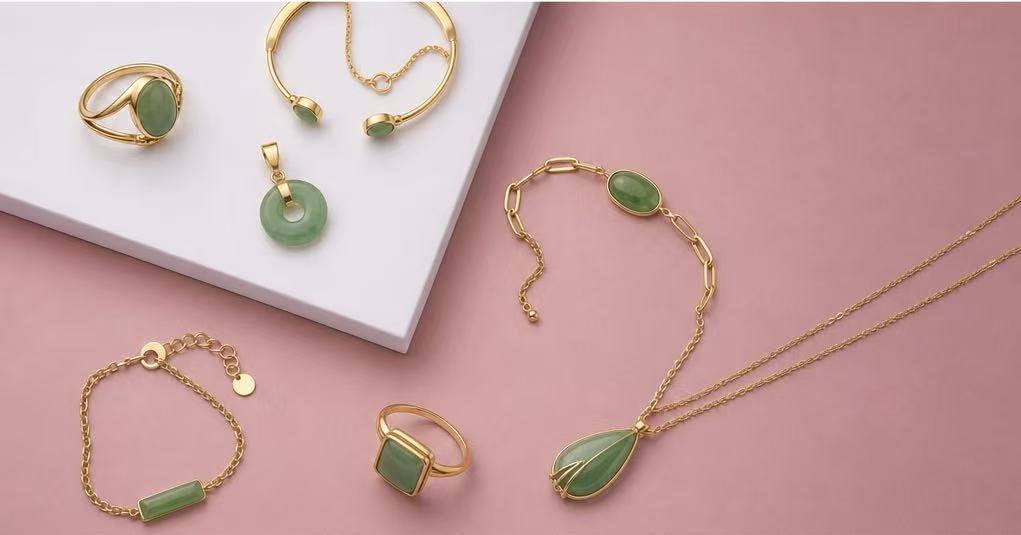
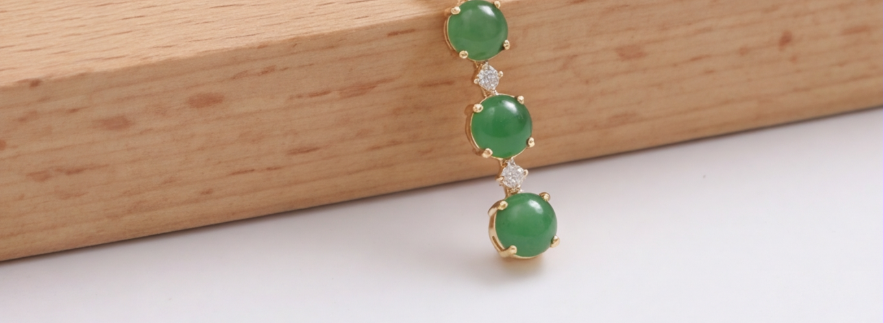
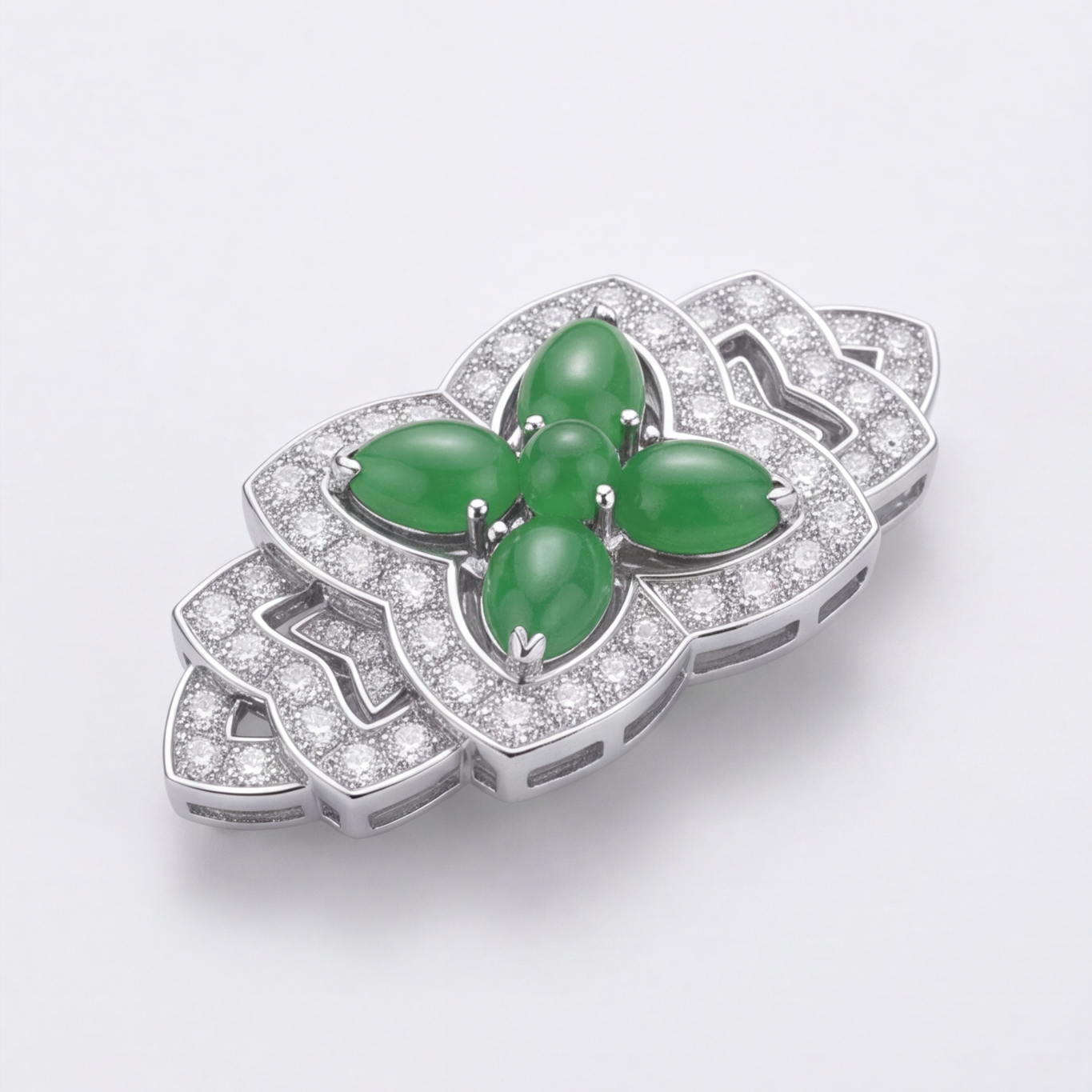
Gem‑grade jadeite opens up a far broader spectrum: vivid imperial green, fresh apple green, soft lavender purple, sunny yellow jadeite, icy near‑transparent white jadeite, and multi‑colored mixed‑skin rough. This wide color diversity is the reason modern quiet‑luxury jewelry designers lean toward jadeite when creating eye‑catching, contemporary wearable pieces.
For our Aurelia Jade collection, we source only natural type‑A Myanmar jadeite, chosen for its lively color performance that shines beautifully within minimalist sterling‑silver‑gold‑plated settings.
Cultural History & Global Perception Across Centuries
The public story of these two stones also diverges dramatically.
Nephrite jade was the primary jade material used for carvings, ritual objects and royal artworks across thousands of years of ancient Chinese history. For dynasties spanning many centuries, nephrite was the jade of emperors, used for sacrificial vessels, seals and burial ornaments.
Jadeite only began travelling from Myanmar into southern China during the Qing Dynasty, roughly 300 years ago. Once high‑saturation green jadeite reached imperial courts, it rapidly became the most sought‑after luxury stone among wealthy elites. In modern global jewellery markets, when international high‑end auction houses sell record‑breaking jade lots, those high‑value pieces are always jadeite, not nephrite.
Today, for western quiet‑luxury audiences discovering jade‑style jewellery for the first time, bright, translucent jadeite is the variety that captures modern fashion attention, fitting clean, contemporary design language far better than the traditionally carved nephrite antiques.
Wearability For Daily‑Use Modern Jewellery
When we are talking about wearable fashion jewellery that you will put on day‑to‑day, practical performance becomes very important.
Nephrite’s waxy, silky surface ages beautifully with handling, yet its softer luster is often less striking once set alongside sparkling cubic zirconia accents in modern halo‑style ring and necklace designs. It works wonderfully for solid carved pendants, but does not always pop in delicate, stone‑forward contemporary settings.
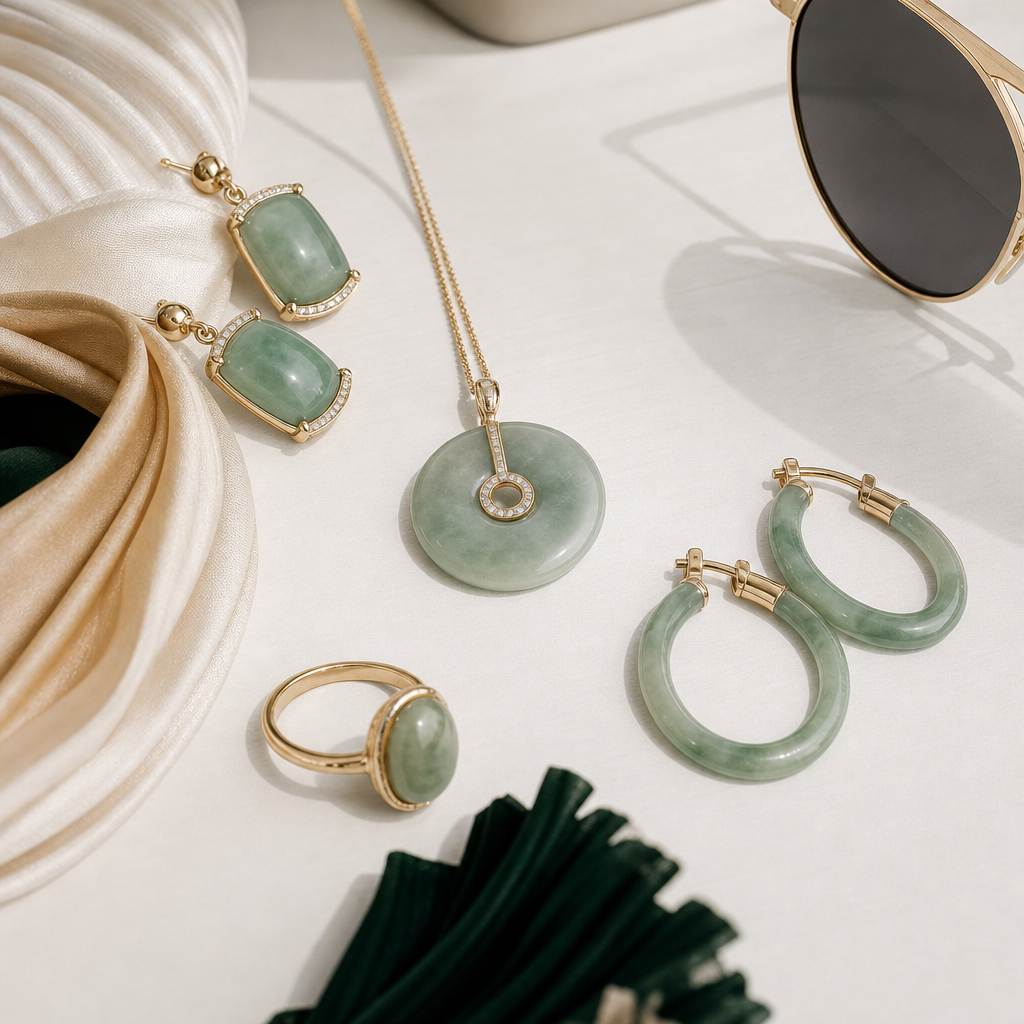
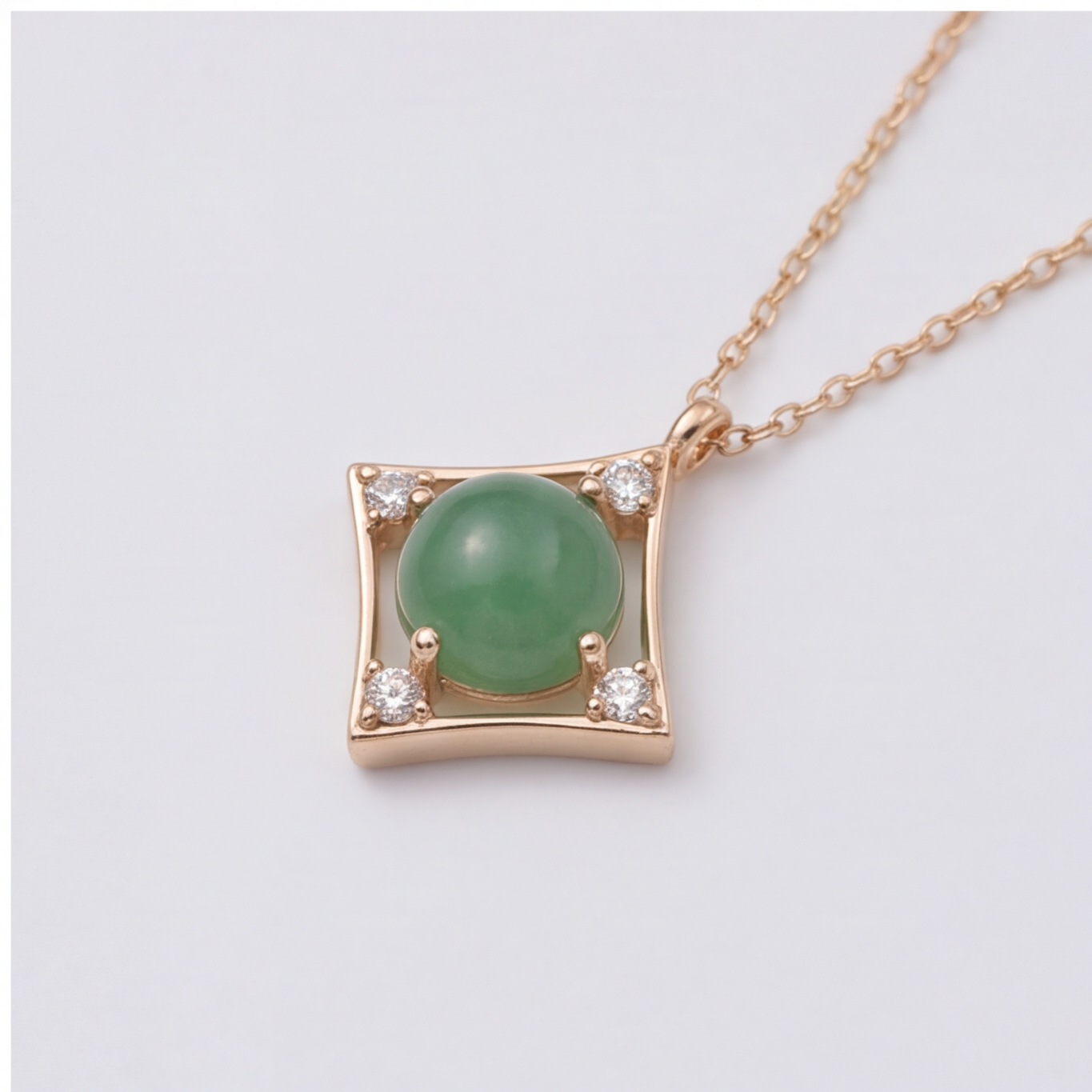
Jadeite’s glass‑like vitreous luster interacts wonderfully with light. Small, carefully selected jadeite cabochons catch soft indoor light and natural daylight, showing off depth of colour within slim, modern silver‑gold‑plated mountings. This is why so many of our signature ring, earring and necklace designs use jadeite: it delivers that subtle, eye‑catching glow without needing oversized, bulky stone sizes.
If you want a piece you can integrate seamlessly into your everyday wardrobe, minimalist set jadeite jewellery is generally the more flexible, fashion‑forward option.
Collecting Value & What This Means For Your Purchasing Decisions
Neither gemstone is “bad”, but their long‑term market trajectories are very different.
Fine nephrite antiques with provenance can hold huge historical value, but mass‑produced contemporary nephrite jewellery has relatively slow value appreciation.
Top‑quality, untreated type‑A jadeite from Myanmar continues to become rarer year after year, as accessible high‑grade rough deposits shrink. Auction sale records repeatedly show that fine jadeite jewellery achieves consistently rising prices over decades.
For the everyday buyer, you do not need to purchase ultra‑high‑end investment‑grade stones to benefit from this trend. Even smaller, well‑selected type‑A jadeite cabochons carry a unique natural character that mass‑produced fashion jewellery cannot replicate. Every single piece in our store is untreated type‑A jadeite, so every item you buy holds that genuine, one‑of‑a‑kind natural character.
Conclusion
Knowing the difference between jadeite and nephrite jade removes much of the confusion you will see across online jewellery shops. When you are shopping for modern, quiet‑luxury jade jewellery that fits your daily wardrobe, jadeite offers brighter colour, stronger visual presence within modern settings, and a more established global collector‑market reputation. Whether you are buying for self‑wear, gifting, or slowly building your personal gemstone collection, this simple piece of knowledge will help you make choices that align with your own personal style and long‑term goals.